
Bio-economy and resources – innovations and new business
Forests
The utilization of forestry resources creates new modern business models in addition to old ones, such as drone services for forest owners, reindeer herding cooperatives, forest surveys, inventories, pest monitoring, and drone imaging.
Reindeer herding
Reindeer husbandry is an important part of the regional economy and cultural heritage in Sodankylä. The turnover of reindeer husbandry consists of reindeer meat (slaughter sales, direct sales, restaurants), by-products (leather, antlers), tourism, and culture.
There are seven reindeer herding cooperatives in the Sodankylä area: Oraniemi, Lapland, Sattasniemi, Syväjärvi, Kemi-Sompio, Poikajärvi, and Pyhäkallio, with a total of approximately 15,000–20,000 reindeer. There are an estimated 300 active reindeer herders in Sodankylä.
Food industry
The strengths and opportunities of Sodankylä’s food industry are linked to local raw materials and the Arctic nature. In bakery products, growth could be driven by specialty and traditional breads, as well as gluten-free and organic options.
In the beverage sector, areas for development include berry-based drinks, kombucha, artisan lemonades, and distillates made from Lapland berries and herbs. In the dairy sector, opportunities exist for traditional Lapland cheeses, yogurts, and specialties made from reindeer milk. Natural products can be processed into berry, herb, and mushroom products, as well as honey-based specialties.
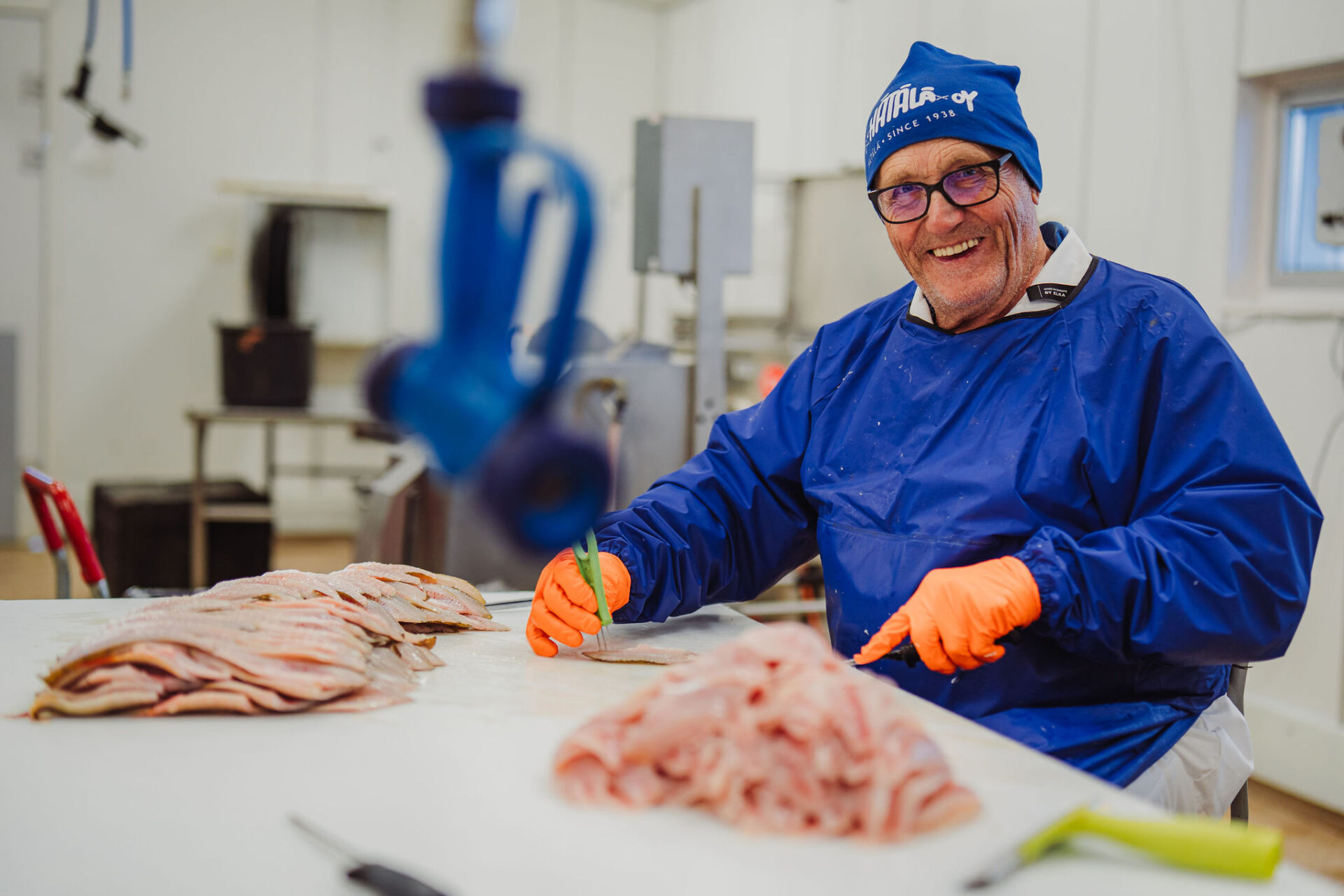
In fish processing, there is potential in smoking and gravad laxing local fish, gourmet fermented fish products, and ready-made fish dishes.
In terms of ready-made meals, frozen and vacuum-packed versions of Lapland’s specialties could be of interest to tourists and export markets. Lapland-branded sweets, drinks, and gift packages that emphasize Arctic identity are particularly suitable for the premium market.
Raw ingredients
The strengths of Sodankylä’s food industry lie in its local character and natural products, particularly specialty products made from reindeer meat. The products are widely sold to consumers, professional kitchens, and restaurants. The further processing of reindeer meat and its by-products is a significant potential business area for new companies.
Reindeer by-products
From one slaughtered reindeer:
Approximately 50-55% is edible meat, depending on age, feeding, and other factors
Approximately 45-50% is by-products
In practice, approximately 45% of reindeer ends up as by-products
Utilization of by-products:
Hide and antlers: reindeer hide products, jewelry, crafts
Blood and internal organs: often used for food
Bones and other tissues: animal feed, dog treats
Bioenergy: Surplus mass can be burned or converted into biogas